
What is Search Engine Optimisation (SEO) and How Does it Work?
In today’s digital age, having a website is no longer just a luxury; it’s a necessity. But simply having a website doesn’t guarantee traffic. To attract visitors, your website must be visible in search engine results. This is where Search Engine Optimisation (SEO) comes in. SEO is the process of improving a website’s visibility on search engines like Google, making it easier for potential customers to find you organically. In this blog, we’ll explore what SEO is, how it works, and how it benefits your website compared to Google Ads.
What is SEO?
SEO, or Search Engine Optimisation, involves refining a website’s content, design, and structure to improve its ranking in search engine results pages (SERPs). When users search for information online, search engines like Google, Bing, or Yahoo use complex algorithms to deliver the most relevant and trustworthy results. SEO helps align your website with these algorithms, improving its chances of ranking higher for specific search terms relevant to your industry.
There are three main components to SEO:
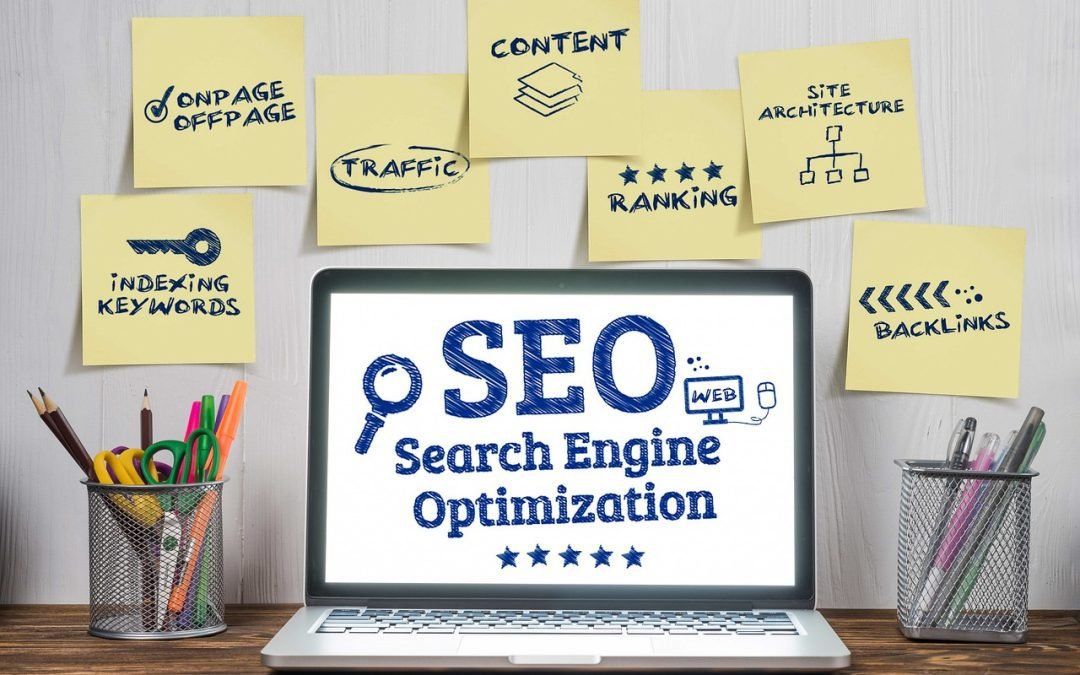
- On-Page SEO: This includes optimising individual pages on your website. It involves keyword research, content optimisation, title tags, meta descriptions, header tags, and URL structures. The goal is to make each page as relevant as possible to the targeted search queries.
- Off-Page SEO: This focuses on activities outside your website that impact its ranking. It includes link building (acquiring links from other reputable websites to increase authority), social media engagement, and influencer marketing. Off-page SEO aims to build trustworthiness and authority, signalling to search engines that your website is credible.
- Technical SEO: This aspect involves optimising your website’s backend structure to ensure it meets search engine requirements. Technical SEO includes website speed optimisation, mobile-friendliness, secure HTTPS connection, and ensuring the website is crawlable by search engine bots.
How Does SEO Work?
Search engines use bots, often called crawlers or spiders, to scan the internet and discover new and updated pages. These bots analyse pages for keywords, content quality, structure, and other factors, then index the information they find. When a user performs a search, the search engine’s algorithm matches the query with the most relevant pages in its index.
SEO works by optimising the elements that search engines evaluate:
- Keywords: By including relevant keywords in your content, you increase the likelihood of appearing for specific search queries.
- Content Quality: High-quality, informative, and engaging content ranks better as it meets users’ needs.
- Backlinks: Links from reputable sites signal that your content is valuable and credible.
- User Experience (UX): Elements such as page speed, mobile compatibility, and easy navigation improve user satisfaction, which can indirectly boost rankings.
- Technical Factors: Ensuring that your website is technically sound, with fast loading speeds, secure protocols, and proper indexing, supports SEO efforts.
It’s important to note that SEO is an ongoing process, not a one-time task. Algorithms are updated frequently, meaning businesses need to monitor their SEO efforts and adjust accordingly to maintain or improve rankings.
How Does SEO Benefit Your Website Compared to Google Ads?
Both SEO and Google Ads can drive traffic to your website, but they work differently and have distinct advantages. Let’s break down the benefits of SEO versus Google Ads.
Benefits of SEO:
- Cost-Effective: SEO is generally more affordable in the long run. While it requires an upfront investment in quality content and optimisation, organic traffic doesn’t incur costs per click like Google Ads.
- Long-Term Results: SEO may take time to show results, but the benefits are lasting. Once you establish a strong SEO foundation, you can enjoy consistent traffic without ongoing payment.
- Builds Credibility and Trust: Organic search results often carry more credibility than paid ads. Users are more likely to trust a website that ranks high on its own merits rather than one that pays to appear.
- Improves User Experience: SEO improvements like faster loading times, mobile-friendliness, and easy navigation don’t just boost your search rankings; they enhance the overall user experience on your site, leading to higher engagement and conversion rates.
- Higher Click-Through Rate (CTR): Studies show that organic listings tend to have higher CTRs compared to paid ads, as users often prefer to click on ‘natural’ results rather than sponsored ones.
Benefits of Google Ads:
- Instant Visibility: With Google Ads, you can appear at the top of search results almost instantly. This is beneficial for new websites or time-sensitive campaigns that need immediate attention.
- Targeted Reach: Google Ads allow precise targeting options such as location, demographics, and even specific times of day. This level of control can be highly advantageous for reaching a specific audience.
- Measurable Results: Google Ads provide comprehensive analytics, so you can measure clicks, conversions, and other KPIs in real-time, allowing you to adjust your campaigns quickly.
- Flexibility: You can control your budget, adjust bids, and pause or stop campaigns at any time, making Google Ads adaptable to changing business needs.
SEO vs. Google Ads: Which is Better?
Both SEO and Google Ads have their place in a successful digital marketing strategy. If you’re looking for a long-term solution that builds credibility and provides lasting value, SEO is ideal. It requires time and consistent effort, but the returns can be significant over time.
On the other hand, if you need immediate visibility or want to promote a time-sensitive offer, Google Ads can be incredibly effective. For the best results, many businesses use a combination of both strategies – using Google Ads to gain instant traffic while simultaneously building up their SEO for sustainable, organic growth.
Conclusion
In summary, SEO is a powerful tool for improving your website’s visibility, drawing organic traffic, and building trust with potential customers. While Google Ads offer quick results, SEO provides long-term benefits and is more cost-effective over time. A well-rounded approach that combines both strategies can help maximise your website’s reach and ensure a steady flow of traffic. By understanding the basics of SEO and how it works, you can make informed decisions that will benefit your website for years to come.